Why Are AI Chip and Device Costs Rising, and Why Should Enterprises Plan Their Platform Strategy Early?
AI chip and device costs are rising because global semiconductor supply remains tight and advanced manufacturing processes require heavier capital investment. For enterprises in Hong Kong, planning a platform strategy early matters because the cost of waiting is largely hidden: reduced productivity, heavier IT support demands and more complex device management across an ageing fleet.
Artificial intelligence (AI) has evolved from a supporting technology into a core component of enterprise operations and digital transformation. From content creation and data management to decision support and workflow automation, AI is increasingly becoming part of day-to-day business activities. As organisations continue to expand their AI adoption, the requirements for AI-ready devices such as MacBook Pro and MacBook Air have increased significantly, particularly in terms of memory capacity, processing power and device stability.
At the same time, tightening global AI chip supply and rising investment in advanced semiconductor manufacturing processes are driving structural increases in AI hardware costs. For enterprises in Hong Kong, higher device prices are no longer a short-term market fluctuation but a longer-term reality that should be incorporated into procurement planning and technology investment decisions.
Against this backdrop, some Hong Kong enterprises may choose to postpone hardware purchases in anticipation of more favourable pricing. From a Total Cost of Ownership (TCO) perspective, however, the more important consideration is not the initial purchase price but the total cost incurred throughout the device lifecycle. These costs include productivity losses, IT administration expenses, information security risks, maintenance and support costs and future upgrade costs. When enterprise devices begin to age or are no longer capable of supporting modern AI applications, businesses may face three hidden operating costs:
- Productivity bottleneck costs: Devices with insufficient performance can affect the employee experience when using AI tools and reduce productivity. The cumulative business impact may eventually exceed the cost of upgrading the hardware itself.
- IT management and maintenance costs: Ageing systems typically require more troubleshooting, technical support and ongoing maintenance, increasing the workload and operational costs of IT teams.
- Delayed platform strategy costs: Postponing a standardised platform strategy can increase the complexity of device deployment, employee onboarding and information security management, reducing the long-term return on technology investment.
These costs may not be immediately reflected in the initial procurement budget. However, they accumulate gradually through day-to-day operations and can become significant hidden operating expenses over the lifecycle of enterprise devices.
Why Should Enterprises Focus on a Total Cost of Ownership Strategy Rather Than Initial Procurement Cost When Investing in MacBook for Business?
Because the purchase price represents only part of what an enterprise device actually costs. A Total Cost of Ownership strategy measures the full lifecycle, including IT support, security management, downtime, residual value and refresh planning, which is where the difference between platforms becomes material.
As AI device prices and semiconductor costs continue to rise, enterprises are looking beyond how much they pay today. Rather than focusing solely on capital expenditure (CAPEX), organisations are increasingly adopting a Total Cost of Ownership (TCO) approach to evaluate whether a technology platform can deliver long-term value throughout its lifecycle.
Using MacBook as an example, many enterprises are no longer evaluating device refresh strategies based solely on the initial purchase price. Instead, they are taking into account factors such as device stability, lifecycle management and overall operational value. As AI adoption continues to grow and investment in enterprise devices increases, platforms with more predictable lifecycle characteristics can better support long-term planning and improve overall returns on investment.
According to the Forrester Total Economic Impact™ (TEI) study commissioned by Apple, deploying Mac devices can deliver significant long-term value from a Total Cost of Ownership (TCO) perspective. The study highlights several areas where enterprises can benefit:
- Lower IT support costs: According to the Forrester study, over a five-year device lifecycle, each Mac deployed can deliver up to US$760 in Total Cost of Ownership (TCO) savings compared with the enterprise standard device evaluated in the study. These savings are attributed to Mac’s low failure rates together with more streamlined device deployment and maintenance processes.
- Higher residual value and durability: Powered by Apple silicon, MacBook offers strong energy efficiency and durability. Even after three to four years of use, it can retain a relatively high resale value in the secondary market, helping enterprises reduce the overall cost of asset depreciation.
- Improved employee experience and productivity: The study also indicates that providing employees with Mac devices can improve employee engagement, satisfaction and retention by 24%, while reducing downtime caused by system failures as well as the associated recruitment and training costs.
- Long-term business value: The study’s composite enterprise model estimates that organisations deploying Mac can achieve a net present value (NPV) of US$10.1 million over five years, reflecting the long-term value Mac can deliver through lower IT costs, improved management efficiency and higher employee productivity.
Enterprise Device TCO Strategy Comparison: Standalone MacBook Procurement vs Apple Enterprise Ecosystem Deployment
Standalone procurement offers greater flexibility in upfront investment, while Apple enterprise ecosystem deployment takes a more standardised approach to IT management, information security and device lifecycle management. The table below compares both approaches across eight areas.
| Comparison Area | Standalone MacBook Procurement | Apple Enterprise Ecosystem Deployment |
| Initial Procurement Cost (CAPEX) | Devices are purchased according to individual user requirements, providing greater flexibility in upfront investment. | Requires investment in devices, management platforms and deployment planning, resulting in higher upfront costs |
| Residual Value | Without a standardised refresh and trade-in strategy, asset management is typically more fragmented. | Standardised device refresh and trade-in strategies help improve asset management and maximise residual value. |
| IT Support and Management | Devices are configured, deployed and maintained individually. | Centralised management through Apple Business and Mobile Device Management (MDM) supports streamlined administration and zero-touch deployment. |
| AI Application Deployment | Device specifications and refresh cycles may vary across users. | A standardised device environment helps simplify the deployment and management of AI applications. |
| Employee Experience | User experience and device performance may vary depending on individual device configurations. | Supports a more consistent device experience and standardised working environment across the organisation. |
| Information Security Management | Security policies and access permissions are configured individually for each device. | Centralised management enables security policies and access controls to be applied consistently across enterprise devices. |
| Device Lifecycle Management | Device refresh and retirement cycles can be difficult to manage consistently. | Supports a standardised approach to device refresh, lifecycle management and asset administration. |
| Overall TCO Management | Focuses primarily on the initial procurement cost. | Focuses on the entire device lifecycle and long-term return on investment. |
The key difference is not whether enterprises can avoid rising device costs, but whether they begin building long-term Total Cost of Ownership (TCO) advantages early. The earlier an organisation establishes the right platform strategy, the sooner it can phase investment more effectively and realise long-term value.
How Can 1O1O Corporate Solutions Support More Predictable AI Platform Deployment with Apple Business and Mobile Device Management (MDM)?
1O1O Corporate Solutions supports more predictable AI platform deployment through structured MacBook procurement and lifecycle management, backed by Apple Business, MDM, enterprise-grade connectivity and Private AI deployment options.
Against a backdrop of rising AI hardware costs, enterprises do not necessarily need to wait for the "right" time to invest. Instead, the priority is to establish a platform strategy that supports long-term business development while providing greater cost predictability. Maintaining a consistent and well-paced approach to deployment can directly influence an organisation’s future competitiveness.
Through 1O1O Corporate Solutions, organisations can adopt a more structured approach to MacBook deployment and platform management, incorporating hardware upgrades into a long-term asset management strategy.
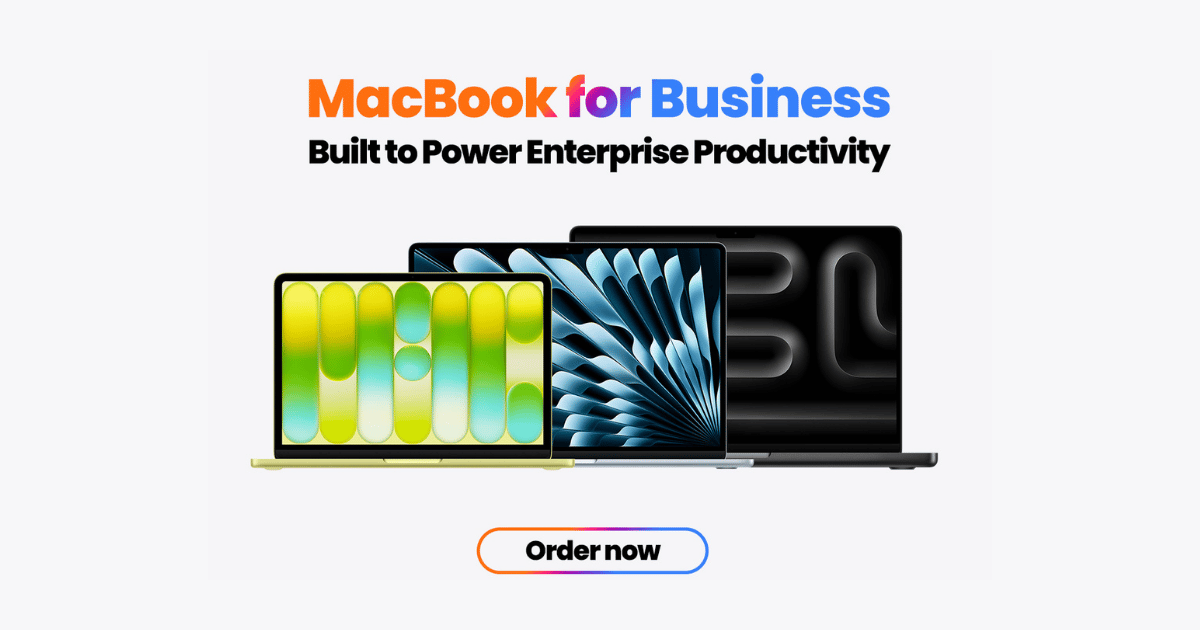
- Flexible Financial and Device Management Strategies: 1O1O Corporate Solutions offers flexible Device as a Service (DaaS) options, together with Apple Business and Mobile Device Management (MDM) to support zero-touch deployment. Through its MacBook for Business solution, enterprises can better manage the cash flow pressure associated with rising AI hardware costs while improving annual TCO planning and budget predictability.
- Enterprise-Grade 5G Connectivity and High-Speed Network Integration: MacBook combines powerful on-device AI capabilities, including Apple Intelligence, with cloud-based AI services. Both rely on a stable, high-speed network environment. 1O1O Corporate Solutions provides enterprise-grade 5G connectivity to support reliable, high-speed data transmission across business operations.
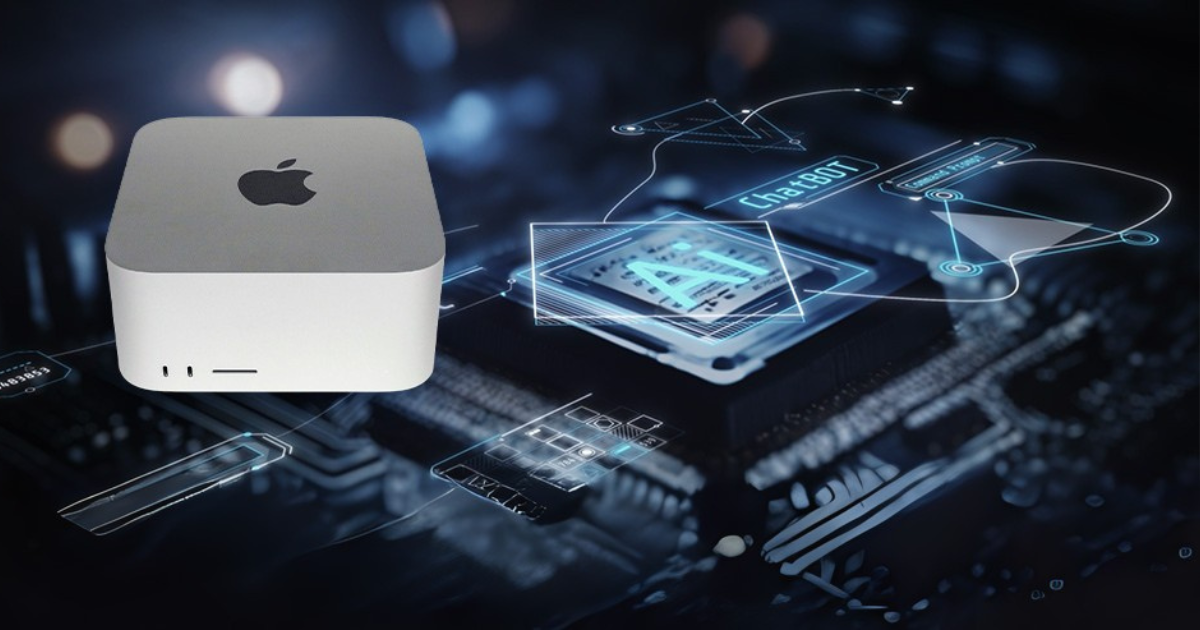
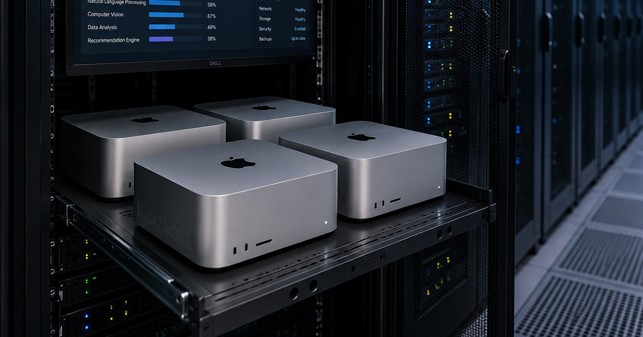
- Private AI Deployment with Mac Studio: For organisations with higher data privacy requirements, Mac Studio can be deployed as part of a Private AI solution to process sensitive data locally.
- One-Stop Enterprise Device Managed Services: From zero-touch deployment and MDM implementation to AppleCare for Enterprise, security configuration and ongoing technical support, 1O1O Corporate Solutions provides end-to-end device managed services throughout the device lifecycle, helping enterprises reduce the workload of their IT teams.
As AI hardware costs continue to rise, enterprises should avoid a passive wait-and-see approach. By adopting 1O1O Corporate Solutions’ MacBook for Business solution or deploying Private AI with Mac Studio, organisations can optimise TCO, manage cost pressures, accelerate digital transformation and establish a stronger digital and AI foundation for long-term competitiveness in the Hong Kong market.
Frequently Asked Questions
Total Cost of Ownership is the full cost of a device across its lifecycle, not just its purchase price. It includes IT support and administration, information security management, downtime and lost productivity, maintenance, upgrades and the residual value recovered at refresh. TCO is used to compare platforms over three to five years rather than at the point of purchase.
Through Apple Business and Mobile Device Management (MDM), devices can be configured and enrolled before they reach the user, known as zero-touch deployment. 1O1O Corporate Solutions provides this alongside AppleCare for Enterprise, security configuration and ongoing support as a managed service, which reduces the setup and maintenance workload carried by in-house IT teams.